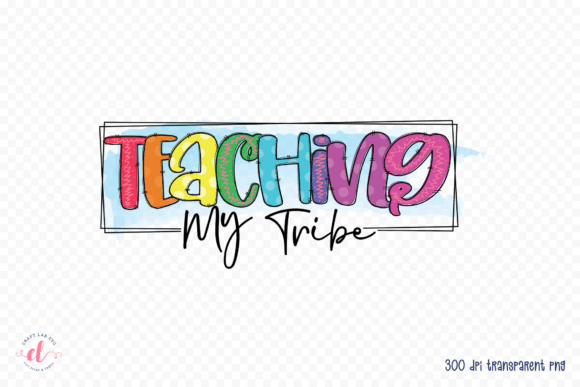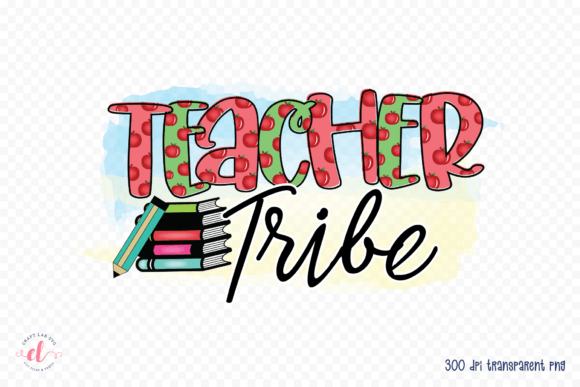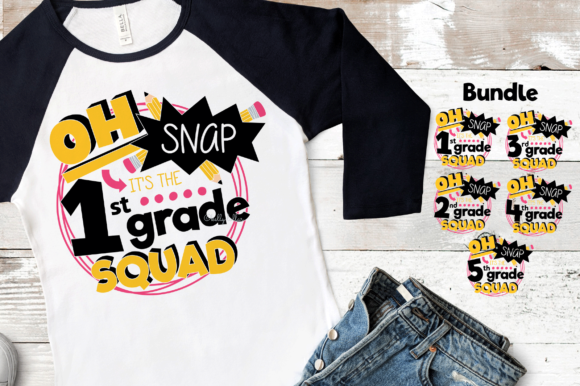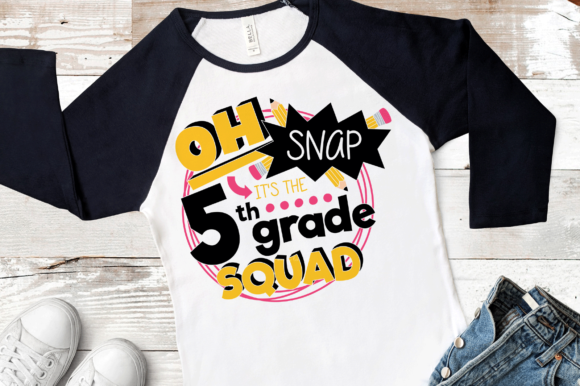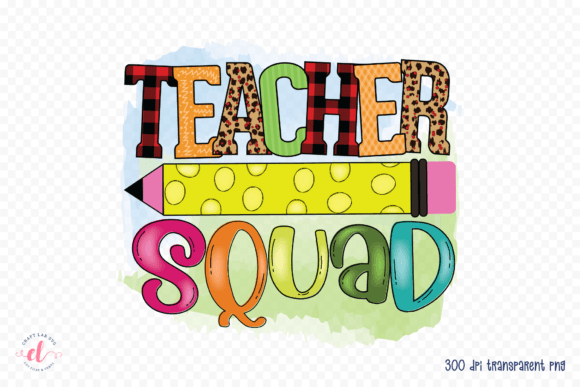
Teacher Squad Teacher Sublimation PNG
First Impression: Warm, Witty, and Ready for Real Life
When I opened Teacher Squad Teacher Sublimation PNG, I didn’t just see a graphic—I saw a conversation starter. The quote is uplifting but not saccharine, the typography has rhythm and balance, and the supporting graphics (think subtle chalkboard textures or soft watercolor accents) feel intentional, not cluttered. It lands somewhere between classroom pride and quiet professionalism—ideal for teachers who wear their passion lightly but proudly. As an embroidery designer who’s stitched hundreds of educator-themed pieces, I immediately pictured this on a heavyweight cotton tote bag for back-to-school teacher appreciation week: sturdy fabric, clean lines, and a design that reads clearly at arm’s length.
Where It Shines in Embroidery Projects
This isn’t a one-size-fits-all machine embroidery design—but it *is* a smart fit for specific, high-impact applications. On sweatshirt embroidery? Yes—especially when digitized with moderate stitch density and generous satin-stitch borders around lettering to prevent fraying. For embroidered patches? Absolutely. The balanced layout and clear negative space make it easy to outline cleanly and fill without overcrowding. I’ve used similar designs on aprons for school cafeterias and pillow covers for teacher lounge gifts—places where warmth matters more than flash.
For baby embroidery or nursery decor, proceed with gentle caution: the quote wording is mature, so it works best on items for educators-as-parents (e.g., “My Mom Is in the Teacher Squad” tea towels), not infant onesies. On holiday embroidery—like teacher Christmas stockings or graduation gifts—it adds personality without leaning into cliché. And for Etsy sellers and small shop products? It’s a strong candidate for printable mockups and digital product previews: the transparent background and 300 DPI resolution mean crisp thumbnails and confident client presentations.
Where to Pause—and Why
Don’t assume Teacher Squad Teacher Sublimation PNG will translate seamlessly to every surface. On caps or curved surfaces, tight corners and fine serifs may lose definition unless re-digitized with running stitch outlines or simplified vector paths. Thin or stretchy fabric? High stitch density in dense fill areas could cause puckering—always pair with cutaway stabilizer and test on scrap first. Dark fabric demands thoughtful thread color choices; light-colored text needs enough contrast to stay legible after washing. And if you’re planning tiny hoop sizes (under 4x4 inches), inspect the smallest elements closely: some sublimation graphics include delicate flourishes that won’t survive under 8x magnification in thread.
Design Integrity Meets Customer Trust
What makes this more than just another craft graphic is how it supports handmade presentation and brand consistency. When customers see clean, well-proportioned lettering and intentional spacing, they read “carefully made”—not “mass-produced clip art.” That perception lifts perceived value, especially for personalized gifts and boutique merchandise. A teacher receiving a custom embroidered sweatshirt with this design doesn’t just get apparel; she gets recognition. That emotional resonance translates directly to buyer engagement and repeat orders for craft businesses.
Practical Designer Notes Before You Stitch
- Always test on scrap fabric first—especially if using textured fabrics like terry cloth or linen blends, where stitch coverage can vary dramatically.
- Review thread color contrast against your base fabric in natural light—not just screen preview. What looks bold on a monitor may fade on navy cotton.
- Check stitch density before finalizing. Overly dense fills in quote areas can stiffen lightweight garments; consider reducing density by 10–15% for baby embroidery or kitchen towels.
- Confirm hoop size compatibility. If your embroidery file requires a 5x7 hoop but you only have 4x4, you’ll need to resize thoughtfully—or split the design.
- Inspect small details at 200% zoom: are thin lines wide enough to hold thread? Do serifs connect cleanly? If not, simplify before digitizing.
- Test black-and-white mockups to ensure legibility without color reliance—critical for commercial embroidery clients who order across fabric colors.
- Use proper stabilizer: medium-weight cutaway for knits, tear-away for stable wovens, and fusible for lightweight linens.
- Verify licensing before selling finished products or reselling digital files. Since this is listed as a Graphics product in Crafts, confirm whether commercial use is permitted for your intended application.
Final Thought: A Thoughtful Tool, Not a Magic Button
Teacher Squad Teacher Sublimation PNG isn’t a shortcut—it’s a thoughtful starting point. It gives you mood, message, and visual cohesion, but real-world success still depends on your judgment as a designer: how you adapt it to fabric, scale, stitch type, and audience. I’ve seen this same quote fall flat on a poorly stabilized tote bag and soar on a perfectly balanced apron. The difference wasn’t the design—it was the attention paid to execution. So treat it like a collaborator: respect its strengths, honor its limits, and let your craftsmanship carry the rest. That’s how a simple graphic becomes a meaningful, market-ready embroidery project.